
Protecting Your Hearing as a Bagpiper
- Melvin Reeds
- May 25
- 1 min read

Playing the pipes is one of the most rewarding musical experiences out there — but it’s also one of the loudest. Whether you’re practicing at home, competing with a band, or teaching students every week, protecting your hearing should be part of your regular playing routine.
Bagpipes can easily reach sound levels well above what hearing experts consider safe for extended exposure. Over time, repeated exposure to high volume can lead to hearing fatigue, ringing in the ears (tinnitus), and even permanent hearing loss.
The good news? A few simple habits can help you protect your hearing without sacrificing tone, tuning, or enjoyment.
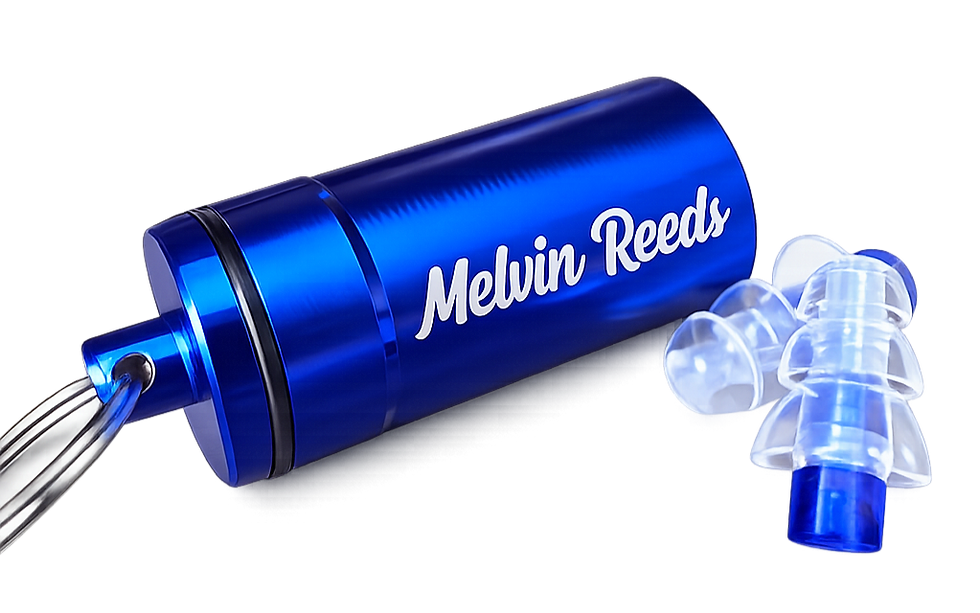
Wear Hearing Protection
One of the easiest and most effective ways to protect your hearing is by using musician-style earplugs.
Unlike foam earplugs that muffle sound unevenly, musician earplugs are designed to reduce volume while still letting you hear tuning, harmonics, and tonal balance clearly.
Look for earplugs that:
Lower volume evenly across frequencies
Are comfortable during long sessions
Stay secure while marching or competing
Allow you to still hear your band clearly
Many pipers find that after a short adjustment period, they actually hear tuning details better because the harshness is reduced.
At Melvin Reeds, we now carry professional musician-style earplugs designed specifically for players who want to protect their hearing without losing clarity and tonal awareness while playing.



Comments