
Think of the Birl as Percussion, Not Just a Movement

Ask a room full of pipers how to play a birl and you'll probably get a lesson on finger movement.
But ask yourself this:
What is a birl supposed to sound like?
That's a very different question.
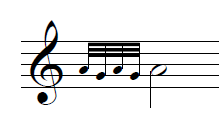
A birl isn't simply a technical embellishment—it's a rhythmic event. In many ways, it's a form of percussion played with your little finger.
When you start thinking about it that way, your birls become much more musical.
Every Tune Has Its Own Feel
A common mistake is playing every birl exactly the same, regardless of the tune.
The same spacing.
The same speed.
The same movement.
But music doesn't work that way.
A slow air has an entirely different feel than a jig.
A march feels different from a strathspey.
A reel has different energy than a hornpipe.
Your birl should reflect that.
A Slow Air Needs Space
In a slow air, the music has room to breathe.
If your birl is squeezed into the smallest possible space, it can sound rushed and distract from the melody.
Instead, allow the movement to relax.
Give each strike room to speak.
The birl should enhance the phrase—not interrupt it.
A Jig Needs Energy
Now think about a lively jig.
The rhythm is driving forward.
The birl should contribute to that momentum.
If it's too spread out, it can feel heavy and late.
The movement naturally becomes more compact—not crushed, but quicker to match the character of the tune.

Don't Crush the Birl
One of the biggest misconceptions is that faster music requires a crushed birl.
It doesn't.
A crushed birl often loses its rhythmic definition.
Instead of hearing two clean, rhythmic strikes, the listener hears a blur.
The goal isn't simply to play the birl quickly.
The goal is to keep it musical.
Each strike should still have purpose.
Expand and Contract
Think of the birl like a spring.
Sometimes it expands.
Sometimes it contracts.
The movement changes depending on the style, tempo, and character of the music.
That's exactly what good percussionists do.
A drummer doesn't play every accent the same way regardless of the tune.
They shape each note to fit the music.
Pipers should approach birls with the same mindset.
Practice More Than One Birl
Instead of practicing only one version of the movement, experiment.
Play the same birl:
Wide and relaxed for slow airs.
Moderately spaced for marches.
Compact and energetic for reels and jigs.
At several metronome speeds while keeping the rhythm clean.
This teaches your hands to adapt instead of automatically producing the same birl every time.
Listen More Than You Watch
It's easy to become focused on finger movement.
But the audience doesn't watch your little finger.
They hear the rhythm.
Record yourself.
Close your eyes and listen.
Does your birl fit the style of the tune?
Does it sound rhythmic and intentional?
Or does it sound rushed?
Your ears will often tell you more than your eyes.
Final Thoughts
A great birl isn't measured by how fast your little finger moves.
It's measured by how well it serves the music.
Think of the birl as a percussion instrument.
Let it expand in slower music.
Let it contract in faster music.
Most importantly, make it rhythmic—not rushed.
When your birls become musical instead of mechanical, the entire tune becomes more expressive, and that's something every listener will notice—even if they don't know why.
Happy Piping!


Comments